Introduction
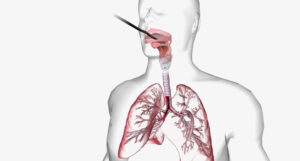
Allergies are common and can affect anyone. They happen when your body reacts to things like pollen, dust, or pet dander. For many people, managing allergies and their impact on respiratory function is important for good health. Allergies can cause breathing problems, such as sneezing, coughing, or even asthma attacks. Because your lungs and airways are sensitive, allergies can make it hard to breathe. Understanding how allergies affect your breathing helps you take better care of your respiratory health.
Common Symptoms of Allergies Affecting Breathing
Allergy symptoms can show up in many ways. Often, they affect your nose, throat, and lungs. For example, you might notice:
Sometimes, these symptoms get worse during allergy season. However, indoor triggers can cause problems all year.
Causes and Triggers of Respiratory Allergies
Many things can trigger allergies that affect your breathing. For instance, common causes include:
Additionally, changes in weather or air pollution can make symptoms worse. Knowing your triggers helps you avoid them and breathe easier.
Diagnosis: How Allergies Affect the Lungs and Airways
Doctors use several methods to find out if allergies are causing your breathing problems. First, they ask about your symptoms and medical history. Next, they may do a physical exam. Sometimes, allergy tests like skin prick tests or blood tests are needed. These tests show what you are allergic to. In some cases, lung function tests help check how well your lungs work. According to the CDC, early diagnosis helps prevent serious breathing issues, such as asthma attacks.
Effective Treatment Options for Allergy-Related Breathing Issues
There are many ways to treat allergies that affect your breathing. Some common treatments include:
However, always talk to your doctor before starting any new medicine. They can help you choose the best treatment for your needs.
Lifestyle Tips for Managing Allergies and Protecting Respiratory Health
Simple changes at home and in your daily routine can help. For example:
Furthermore, avoid smoking and stay away from strong smells. These steps can make a big difference in your breathing.
Prevention Strategies to Reduce Allergy Impact on Breathing
Preventing allergies is not always possible, but you can lower your risk. Here are some helpful strategies:
By taking these steps, you can protect your lungs and enjoy better respiratory health.
When to Seek Medical Help
Sometimes, allergy symptoms can become serious. You should see a doctor if you:
Early medical care can prevent problems and keep you safe.
In summary, managing allergies and their impact on respiratory function is key for healthy breathing. Consult a pulmonologist or allergy specialist for personalized advice on managing allergies and protecting your respiratory health.