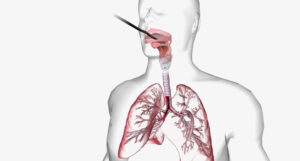
What is Allergic Asthma?
Allergic asthma is a type of asthma triggered by allergens. These are substances that cause allergic reactions. When you breathe in allergens, your airways can swell and tighten. As a result, it becomes hard to breathe. Allergic asthma is common in both children and adults. According to the CDC, many people with asthma have this type. Understanding allergic asthma helps you manage it better.
Common Symptoms
Symptoms of allergic asthma often appear after contact with allergens. However, they can also show up without warning. Knowing these signs helps you act quickly.
Sometimes, symptoms get worse during allergy seasons. For example, pollen in spring can trigger attacks.
Causes and Risk Factors
Allergic asthma starts when your immune system reacts to allergens. These triggers can be found indoors or outdoors. But not everyone exposed to allergens develops asthma. Some people are more at risk.
Additionally, family history of allergies or asthma increases your risk. Living in areas with high pollution can also make allergic asthma more likely.
Diagnosis Methods
Doctors use several methods to diagnose allergic asthma. First, they ask about your symptoms and medical history. Next, they may do a physical exam. However, tests are needed to confirm the diagnosis.
With these tests, your doctor can find the best allergic asthma treatment for you.
Treatment Options
There are many ways to treat allergic asthma. Your doctor may suggest one or more of the following:
For best results, always follow your doctor’s advice. In addition, keep your medicines nearby in case of sudden symptoms.
Lifestyle Tips for Managing Allergic Asthma
Managing allergic asthma goes beyond medicine. Simple lifestyle changes can make a big difference. For example, you can:
With these steps, you can reduce your exposure to triggers. As a result, you may have fewer asthma attacks.
Prevention Strategies
While you cannot always prevent allergic asthma, you can lower your risk. Here are some helpful strategies:
Because prevention is key, these steps help you stay healthy and active.
When to See a Doctor
Sometimes, allergic asthma symptoms can get worse quickly. Therefore, it is important to know when to seek help. Contact your doctor if you:
If you have severe shortness of breath or cannot speak, call emergency services right away.
In summary, allergic asthma can be managed with the right care and lifestyle changes. For personalized advice on allergic asthma management, consult a pulmonologist.