What is Bronchiectasis?
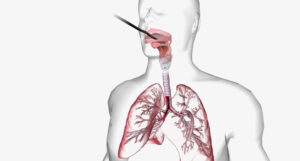
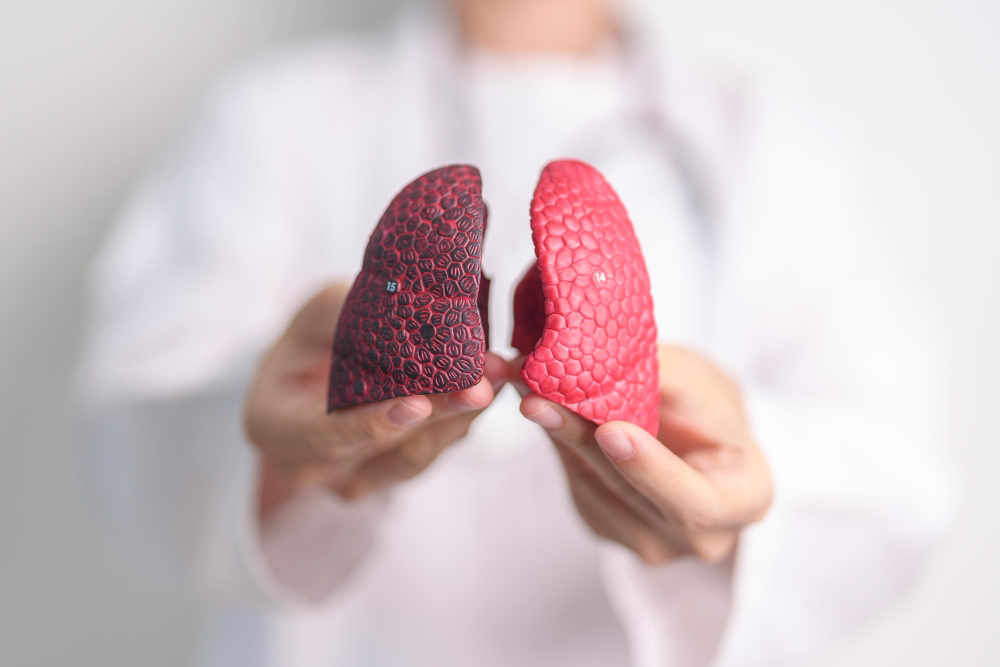
Bronchiectasis is a chronic lung condition that causes the airways to become wide and scarred. These airways, called bronchi, help carry air in and out of your lungs. When they are damaged, mucus builds up and infections can happen more easily. As a result, breathing may become harder over time. According to the CDC, bronchiectasis affects both children and adults, but it is more common in older people. Although it is not as well-known as asthma or COPD, it can still cause serious health problems if left untreated.
Causes of Bronchiectasis
There are many reasons why someone might develop bronchiectasis. Sometimes, the cause is never found. However, several common causes include:
In some cases, bronchiectasis develops after a severe lung injury. But sometimes, it can run in families.
Common Symptoms
Bronchiectasis symptoms can vary from person to person. Yet, some signs are more common than others. Early detection can help prevent further airway damage. Watch for these symptoms:
Sometimes, people may also cough up blood. If this happens, seek medical help right away.
Diagnosis
Doctors use several steps to diagnose bronchiectasis. First, they ask about your symptoms and medical history. Next, they may listen to your lungs with a stethoscope. However, imaging tests are often needed for a clear diagnosis. These may include:
Early diagnosis can help start bronchiectasis treatment sooner and prevent more damage.
Modern Management Approaches
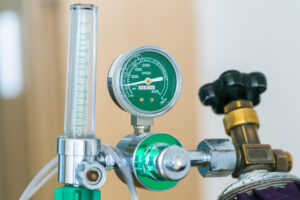
Today, there are many ways to manage bronchiectasis and improve quality of life. While there is no cure, treatment focuses on controlling symptoms and stopping further airway damage. Some modern management approaches include:
In rare cases, surgery may be needed if only one part of the lung is affected. However, most people manage well with regular pulmonology care and home treatments.
Prevention and Lifestyle Tips
Although not all cases of bronchiectasis can be prevented, some steps may lower your risk. For example, you can:
With these habits, you can help protect your lungs and reduce flare-ups.
When to See a Doctor
It is important to seek medical advice if you notice ongoing cough, frequent chest infections, or trouble breathing. Additionally, if you cough up blood or have severe chest pain, get help right away. Early treatment can prevent more airway damage and improve your quality of life. Remember, regular check-ups with a pulmonology specialist are key for managing bronchiectasis.
For personalized advice on bronchiectasis, consult a pulmonology specialist. Early care can make a big difference in your lung health.