Introduction
Air pollution and respiratory health are closely linked. Many people do not realize how much the air they breathe can affect their lungs. In fact, the World Health Organization (WHO) reports that millions of people suffer from breathing problems due to poor air quality. Because air pollution is a growing concern in many cities, it is important to understand its impact on your health. This blog will explain what air pollution is, how it affects your lungs, and what you can do to stay safe.
What is Air Pollution?
Air pollution means harmful substances are present in the air. These substances can come from cars, factories, wildfires, or even dust. For example, smoke from burning trash or exhaust from vehicles adds to air pollution. There are two main types of air pollution:
Both types can harm your lungs, but outdoor air pollution often affects more people at once. In many cities, air quality can change daily, so it is wise to check local air reports.
How Air Pollution Affects Respiratory Health
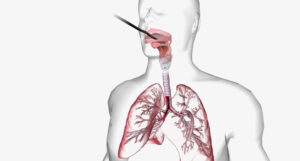
Air pollution can make it hard to breathe. When you inhale dirty air, tiny particles and gases enter your lungs. Over time, these can cause swelling and damage. As a result, your lungs may not work as well. Even short-term exposure can trigger coughing or make asthma worse. Long-term exposure may lead to serious lung diseases. According to the CDC, children, older adults, and people with lung problems are at higher risk. However, anyone can be affected, especially during high pollution days.
Common Respiratory Conditions Linked to Air Pollution
Many breathing problems are linked to air pollution. Some of the most common conditions include:
In addition, long-term exposure to polluted air may raise the risk of lung cancer. Children may also develop breathing problems if they grow up in areas with poor air quality.
Symptoms to Watch For
It is important to notice signs that your lungs may be affected by air pollution. Common symptoms include:
Sometimes, these symptoms may seem mild. However, if they last or get worse, it could mean your lungs are being harmed. Children and older adults should be watched closely, as they may show symptoms sooner.
Prevention and Protection Tips
There are steps you can take to protect your respiratory health from air pollution. Here are some helpful tips:
By following these steps, you can lower your risk of breathing problems. In addition, teaching children about air pollution can help them stay safe.
When to Seek Medical Help
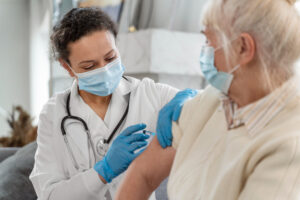
Sometimes, breathing problems need quick medical care. You should see a doctor if you notice:
If you have asthma or another lung condition, follow your doctor’s advice closely. Because air pollution can make symptoms worse, always keep your inhaler or medicine nearby. Early treatment can prevent serious problems.
Conclusion
Air pollution and respiratory health are strongly connected. While you cannot control the air outside, you can take steps to protect your lungs. Stay informed, watch for symptoms, and follow safety tips. Consult a pulmonologist for personalized advice on protecting your respiratory health.