What is Emphysema?
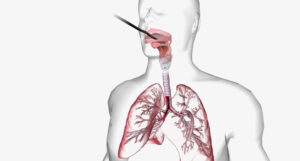
Emphysema is a long-term lung disease. It mainly affects the air sacs in your lungs, called alveoli. Over time, these air sacs become damaged. As a result, it becomes harder to breathe. Emphysema is a type of chronic obstructive pulmonary disease (COPD). Many people with emphysema also have chronic bronchitis. Because of this, breathing can feel like hard work. Early detection is important for better management.
Causes and Risk Factors
Most cases of emphysema are linked to smoking. However, there are other causes and risk factors. Understanding these can help with preventing emphysema.
For example, people who smoke and work in dusty places have a higher risk. But even non-smokers can get emphysema due to genetics or pollution.
Common Symptoms
Emphysema symptoms often start slowly. At first, you may not notice them. However, as the disease gets worse, symptoms become clearer. Recognizing these signs early can help with treatment.
Sometimes, people lose weight without trying. In severe cases, lips or fingernails may turn blue. This means your body is not getting enough oxygen.
How is Emphysema Diagnosed?
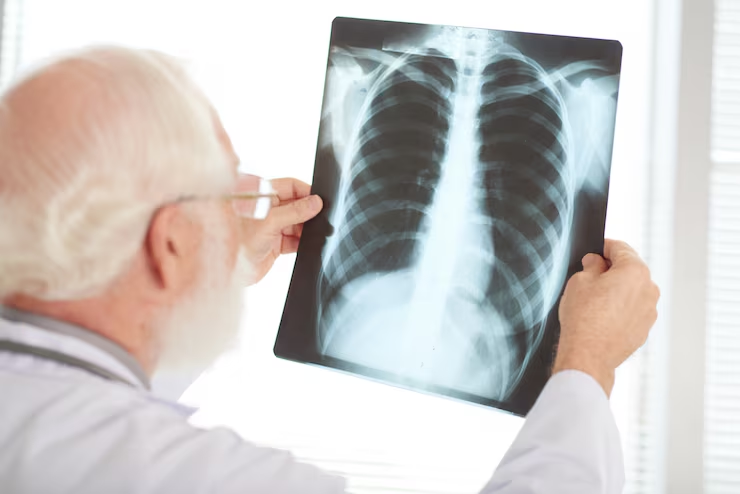
Doctors use several steps to diagnose emphysema. Early diagnosis can improve your quality of life. If you have symptoms, your doctor will ask about your health and smoking history. Then, they may do a physical exam. But, more tests are often needed.
For example, a spirometry test is a common way to check lung function. According to the CDC, these tests help doctors find out how much air you can breathe in and out.
Treatment Options
While there is no cure for emphysema, treatment can help manage symptoms. Early treatment can slow the disease and improve your daily life. Your doctor will suggest a plan based on your needs.
For many, a mix of these treatments works best. Always follow your doctor’s advice for the best results.
Lifestyle Tips and Prevention
Although you cannot reverse emphysema, you can take steps to prevent it or slow its progress. Simple changes can make a big difference.
For example, getting a flu shot each year can help prevent lung infections. According to the World Health Organization, avoiding tobacco is the best way to prevent emphysema.
When to See a Doctor
If you notice any symptoms of emphysema, see a doctor soon. Early care can help you feel better and slow the disease. You should also seek help if:
Remember, regular check-ups are important if you are at risk. Do not wait for symptoms to get worse before seeking help.
Consult a pulmonologist for personalized advice on emphysema.