What is Pulmonary Fibrosis?
Pulmonary fibrosis is a lung disease that causes scarring in the lungs. This scarring, also called fibrosis, makes it hard for your lungs to work well. As a result, your body may not get enough oxygen. Over time, breathing can become more difficult. Although anyone can develop pulmonary fibrosis, it is more common in older adults. According to the CDC, thousands of people are diagnosed with this condition each year. Because the scarring cannot be reversed, early detection is important.
Causes of Pulmonary Fibrosis
There are many possible causes of lung scarring. Sometimes, doctors cannot find a clear reason. This is called idiopathic pulmonary fibrosis. However, several known factors can lead to this disease. For example, long-term exposure to certain substances can damage the lungs. These include:
In addition, some medicines, such as chemotherapy drugs, can cause lung scarring. Radiation therapy to the chest may also be a risk. Furthermore, certain autoimmune diseases, like rheumatoid arthritis, can increase your chances. Family history can play a role as well. If a close relative has pulmonary fibrosis, your risk may be higher.
Common Symptoms
Pulmonary fibrosis symptoms often develop slowly. At first, you may not notice any problems. But as the disease gets worse, symptoms become more obvious. Common signs include:
Because these symptoms can look like other lung problems, it is important to see a doctor for proper testing.
Diagnosis Methods
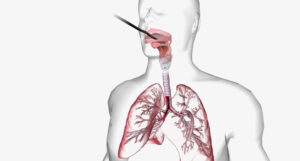
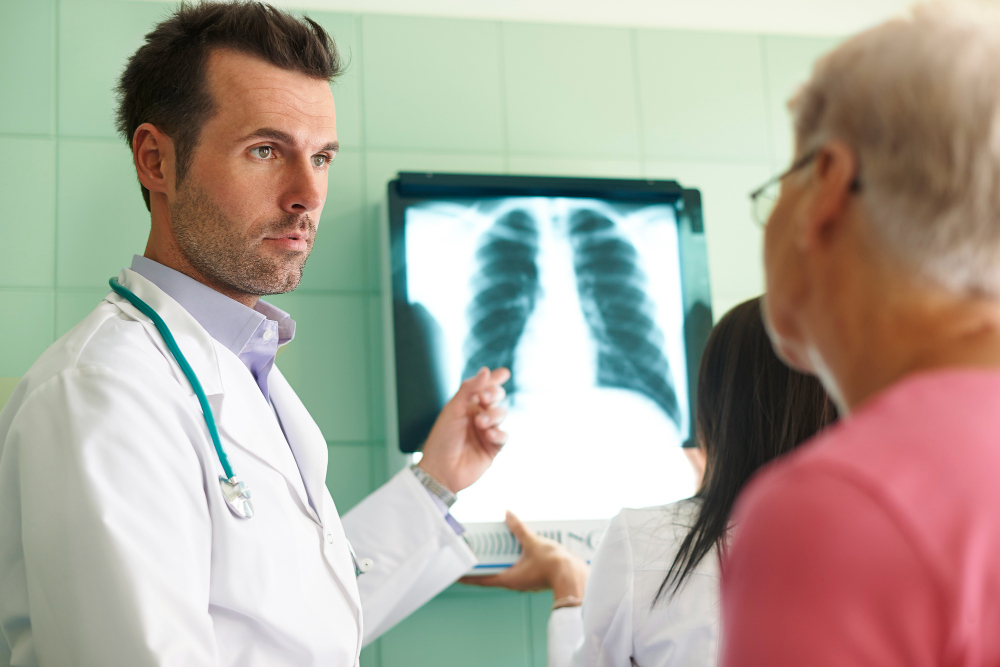
Doctors use several tests to diagnose pulmonary fibrosis. First, they will ask about your symptoms and medical history. Next, they may order a chest X-ray or a CT scan. These images can show lung scarring. In addition, lung function tests help measure how well your lungs work. Sometimes, doctors use a test called a bronchoscopy. This lets them look inside your lungs and take small samples. Blood tests may also help rule out other causes. Early diagnosis can help you get the right treatment sooner.
Treatment Options
Although there is no cure for pulmonary fibrosis, treatment can help manage symptoms. Your doctor may suggest:
In severe cases, a lung transplant may be an option. However, not everyone is a candidate for this surgery. Because treatment for pulmonary fibrosis is complex, regular follow-up with your doctor is important.
Lifestyle Tips for Managing Pulmonary Fibrosis
Living with pulmonary fibrosis can be challenging. Still, some lifestyle changes may help you feel better. For example:
Because support is important, consider joining a support group for people with lung disease. This can help you share experiences and learn new coping skills.
Prevention and Risk Reduction
While not all cases can be prevented, you can lower your risk of pulmonary fibrosis. For instance, avoid breathing in harmful dust or chemicals at work or home. Always use protective gear if you work in risky environments. In addition, do not smoke, as smoking damages your lungs. If you have a family history of lung disease, talk to your doctor about regular check-ups. Early action can make a big difference.
If you notice any symptoms of pulmonary fibrosis, do not wait. Consult a pulmonologist for personalized advice on pulmonary fibrosis and the best treatment options for you.